
The Detail In Hagar’s Story I Missed For Years.
This week, I was inscribing Genesis 16:7-10 in my Inscribe the Word Monthly Plan.
As I was writing, verse 7 triggered a deep curiousity in my heart, particularly the word FOUND.
The angel of the Lord found Hagar near a spring in the desert; it was the spring that is beside the road to Shur. - Genesis 16:7
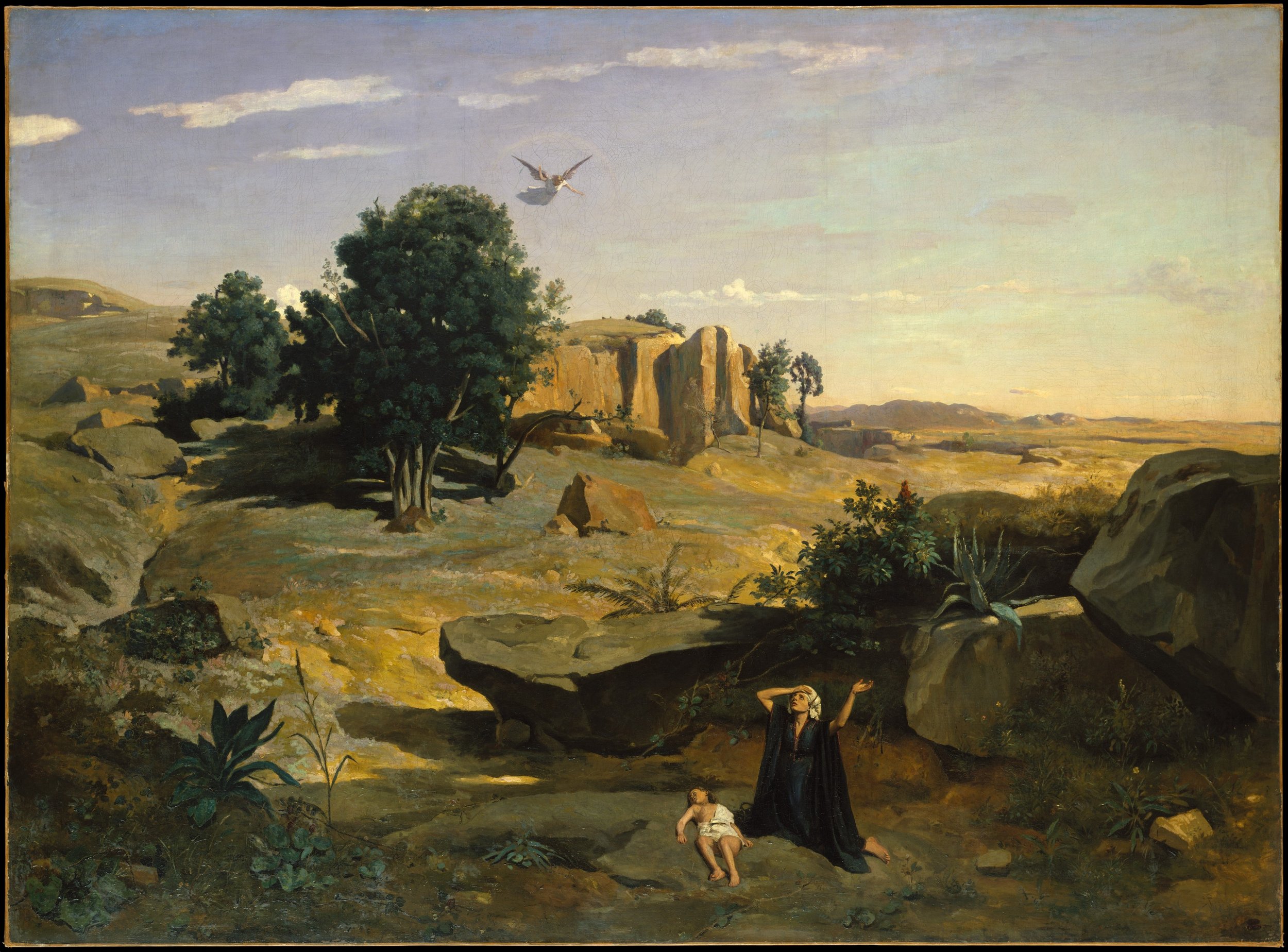
Camille Corot, Hagar in the Wilderness, 1835. Oil on canvas, The Metropolitan Museum of Art.
In Genesis 16, Hagar isn’t having an everyday family fight with Abram and Sarai.
She is a victim of systemic and sexual exploitation.
Given away as a slave to Abram in Genesis 12:16 and forced into a surrogate pregnancy without power, choice, or consent.
When her presence became a threat to Sarai, Sarai "mistreated" her.
In Hebrew, the word used is 'anah (עָנָה).
It is the exact same word used later in Scripture to describe Israel’s brutal oppression under Pharaoh in Egypt.
Sarai became “a Pharaoh” to Hagar.
Hagar was disposable property.
Desperate and exhausted, Hagar fled into the wilderness.
Genesis 16:7 notes that she was found near a spring "beside the road to Shur."
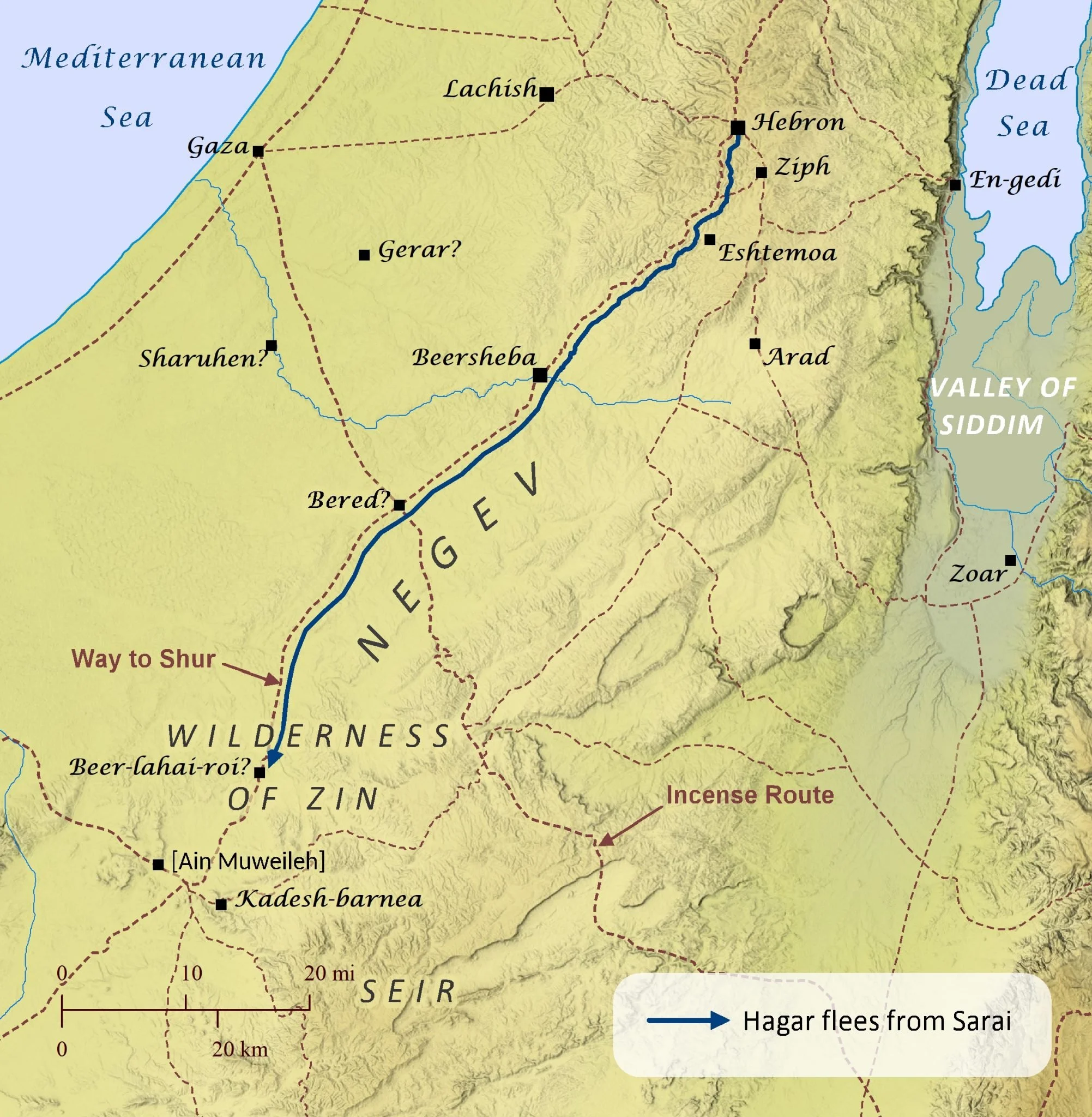
In Hebrew, Shur literally means "A Wall."
It refers to the massive line of Egyptian border fortresses along the frontier.
As an escaped pregnant slave, Hagar was running straight toward an impenetrable border wall where she faced certain arrest or death in the desert. She was on a survival mission that was actually a dead end.
It is precisely at this wall that the text tells us God "found" her.
The Hebrew word for found is matsa (מָצָא).
In Scripture, matsa is does not mean accidentally stumbling across something you lost.
It denotes a deliberate, active search-and-rescue mission.
God did not happen upon Hagar by chance in the desert. He actively tracked her down.
Because God matsa (tracked down) an abused, forgotten woman in the dirt, Hagar becomes the only person in the entire Old Testament to give God a name:
El Roi—"The God Who Sees Me."
He stepped directly into her dead end and rewrote her identity from an abandoned, exploited slave to a woman seen by the Living God Himself.
You might feel like Hagar today.
Maybe you are carrying family trauma, or you feel discarded by broken human systems.
Maybe you find yourself running headfirst toward an impenetrable wall (Shur).
Friend, God has entered the dirt of your wilderness, stepped into your dead end, and sees you right in the middle of your pain.
You are never too isolated, too far gone, or too invisible for the God who is actively tracking you down. 🤎