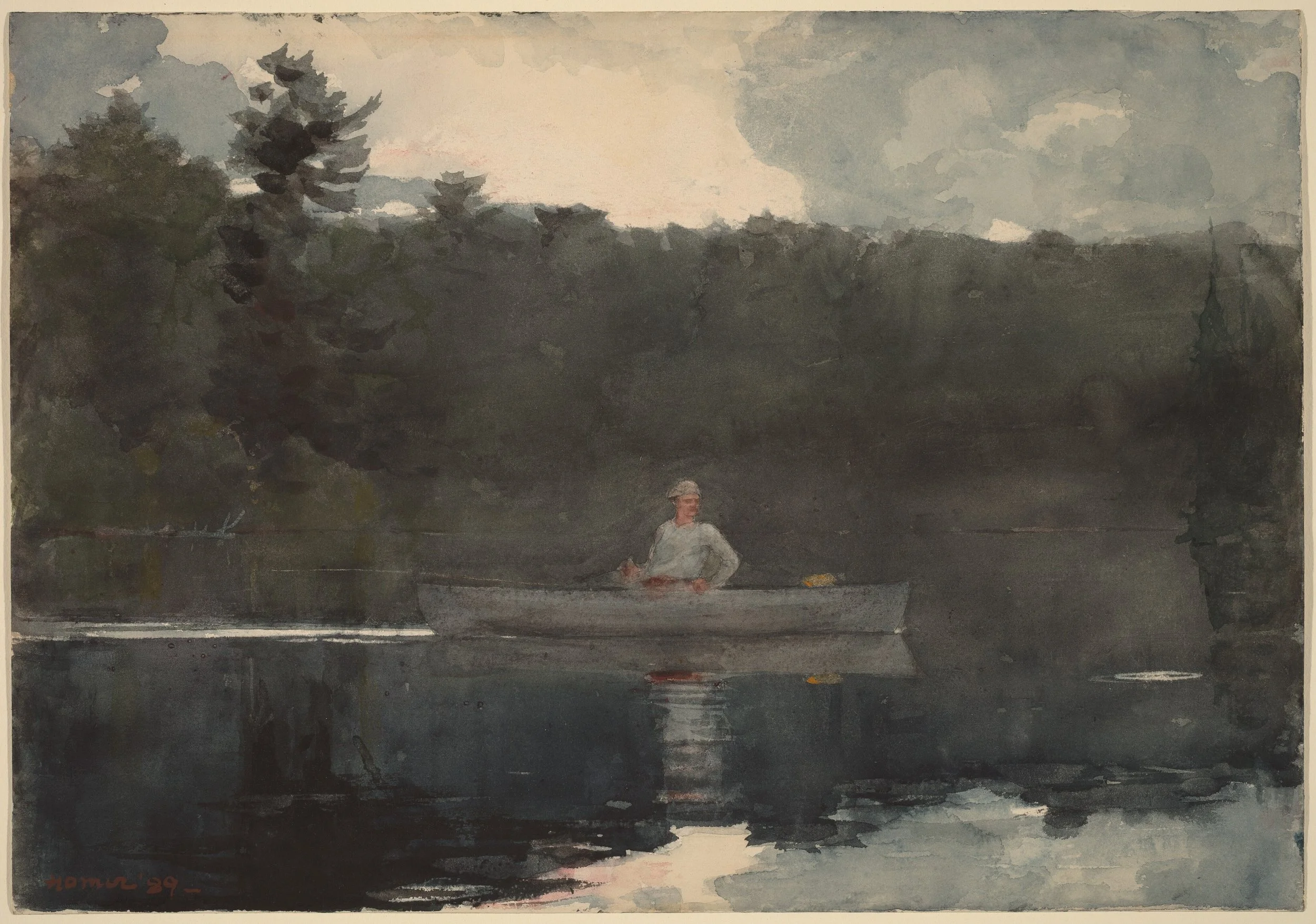
Eremos: Jesus’ Lonely Place
When Luke writes that Jesus withdrew to “lonely places,” the Greek text doesn’t describe an emotional state.
It describes a physical place.
In Luke 5:15–16, the crowds gather around Jesus.
Yet the news about him spread all the more, so that crowds of people came to hear him and to be healed of their sicknesses. [16] But Jesus often withdrew to lonely places and prayed. - Luke 5:15-16 NIV
They demanded His time, teaching, and healing.
Yet right at the height of His ministry, Luke notes a habit:
Jesus often withdrew to lonely places to pray.
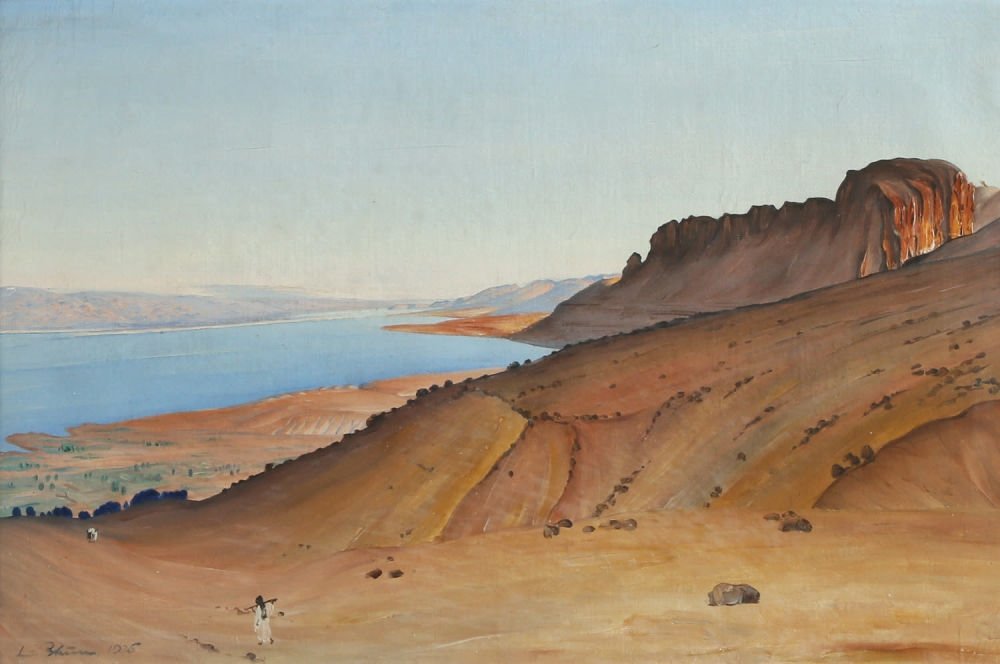
Ludwig Blum | The Sea of Galilee and Mount Arbel, 1926 | Oil on canvas.
One of the possible eremos places Jesus visited in Luke 5.
The Greek word for “lonely place” here is eremos (ἔρημος).
It means wilderness, desert, and a solitary, uncultivated place.
In the ancient world, people avoided the eremos.
Ordinary citizens saw it as quiet, desolate, dangerous, and exposed, and being there often signaled that you were abandoned or lost. But Jesus often withdrew there.
What the world saw as an uninhabited wasteland,
Jesus turned into a sanctuary that He intentionally sought out.
He traded the noise of the crowds for the quietness of His Father’s presence.
If you find yourself in a season that feels quiet, isolated, or lonely, perhaps reframe it like this:
Loneliness focuses on who is absent, but eremos focuses on WHO is present.
Maybe the wilderness called you not to abandon you, but to invite you into the very presence of the One who longs to be with you. 🤎
Read in depth about loneliness, isolation, and the gift of solitude.